
Benefits of Natural Refrigerants in Cold Storage
Table of Contents
Introduction
What Are Natural Refrigerants?
Why Are Industries Moving Towards Natural Refrigerants?
1. Better for the Environment
2. Future-Ready Technology
3. Excellent Cooling Performance
4. Improved Product Protection
5. Supports Sustainable Business Growth
6. Strong Global Adoption
Why CO2 Is Becoming a Popular Choice
Which Industries Can Benefit Most?
The Bigger Picture
Final Thoughts
Introduction
The Cooling Industry Is Changing - And Many Businesses Are Rethinking Their Choices
Imagine you've invested a lot of money in building a cold storage system.
Everything is working perfectly. Your products are safe, operations are running smoothly, and customers are happy.
Then one day, you hear that the refrigerant used in your cooling system may face new environmental orders in the future.
People start talking about system upgrades, changing refrigerants, and extra costs.
All of a sudden, the cooling system that looked like a long-term investment in the cooling system does not feel that future-reliable anymore.
This is a difficulty many businesses are facing today.
That is why many companies are asking a simple question
“Instead of switching to a new refrigerant every now and then, why not use the one that is already present in the environment?”
This is where natural refrigerants come in.
Around the world, cold storages, food processing plants, dairy facilities, warehouses, and other industries are looking for natural refrigerants as a smarter and more sustainable way to keep products cool and fresh.
But what are natural refrigerants, and why are so many businesses showing interest in them?
-
What Are Natural Refrigerants?
-
Why Are Industries Moving Towards Natural Refrigerants?
-
1. Better for the Environment
-
2. Future-Ready Technology
-
3. Excellent Cooling Performance
-
4. Improved Product Protection
-
5. Supports Sustainable Business Growth
-
6. Strong Global Adoption
-
Why CO2 Is Becoming a Popular Choice
-
Which Industries Can Benefit Most?
-
The Bigger Picture
Let’s see and understand this in simple words.
What Are Natural Refrigerants?
Natural refrigerants are cooling gases that originally present or happen naturally in the environment rather than being chemically manufactured.
Some of the most common natural refrigerants include:
-
Carbon Dioxide (CO2 / R744)
-
Ammonia (NH₃ / R717)
-
Hydrocarbons such as Propane (R290)
These refrigerants have been available in nature much before the current traditional refrigeration systems were made.
Today, engineers use them inside refrigeration systems to move heat and create cooling.
The idea is simple:
Instead of relying on human-made chemical refrigerants, industries use naturally made refrigerant to achieve the same cooling effect.
Why Are Industries Moving Towards Natural Refrigerants?
The answer is simple.
Businesses are no longer thinking only about today's cooling requirements.
They are planning for the next 10, 20, or even 30 years.
Decision-makers want refrigeration systems that can:
-
Stay adaptable with future regulations
-
Reduce impact on environmental
-
Deliver reliable performance
-
Support long-term eco-friendly goals
Natural refrigerants help address all these concerns.
1. Better for the Environment
Environmental responsibility is no longer just a government requirement.
It has become primary for businesses.
Customers, investors, exporters, and industry partners increasingly pay attention to sustainability
Many traditional refrigerants have a high impact on global warming when released into the atmosphere.
Natural refrigerants such as CO2 have a significantly lower impact on the environment .
This makes them a generous option for businesses that want to reduce their environmental footprint while maintaining strong cooling performance.
2. Future-Ready Technology
One of the biggest concerns for industrial operators is uncertainty.
Nobody wants to invest in a refrigeration system today and worry about major changes tomorrow.
Natural refrigerants are increasingly viewed as long-term solutions because they align with global sustainability trends.
For businesses planning new facilities or major upgrades, this provides greater confidence when making investment decisions.
3. Excellent Cooling Performance
At the end of the day, refrigeration systems have one primary job:
Keep products at the right temperature.
Natural refrigerants are known for their strong heat-transfer capabilities.
In practical terms, this means:
-
Faster cooling
-
Stable temperatures
-
Improved product preservation
-
Reliable operation
For cold storage operators, even small improvements in temperature control can make a significant difference in product quality.
4. Improved Product Protection
Think about what is stored inside a cold storage.
-
Fruits
-
Vegetables
-
Dairy products
-
Frozen foods
-
Seafood
-
Pharmaceuticals
Every product has value.
And every product depends on proper temperature control.
Temperature fluctuations can reduce shelf life, affect quality, and increase losses.
Reliable refrigeration systems help protect inventory and preserve product freshness for longer periods.
5. Supports Sustainable Business Growth
Many businesses today are setting sustainability goals.
Some do it to meet customer expectations.
Others do it to satisfy export needs.
Many simply want to operate more responsibly.
Natural refrigerants fit naturally into these objectives.
They help businesses move toward greener operations without compromising cooling performance.
6. Strong Global Acceptance
One reason decision-makers are paying attention to natural refrigerants is simple:
The world is moving in this direction.
around many countries, industries are investing in natural refrigeration technologies for:
-
Cold storages
-
Food processing plants
-
Supermarkets
-
Dairy facilities
-
Pharmaceutical warehouses
-
Refrigerated logistics
As adoption continues to grow, natural refrigerants are becoming an increasingly important part of the future refrigeration landscape.
Why CO2 Is Becoming a Popular Choice
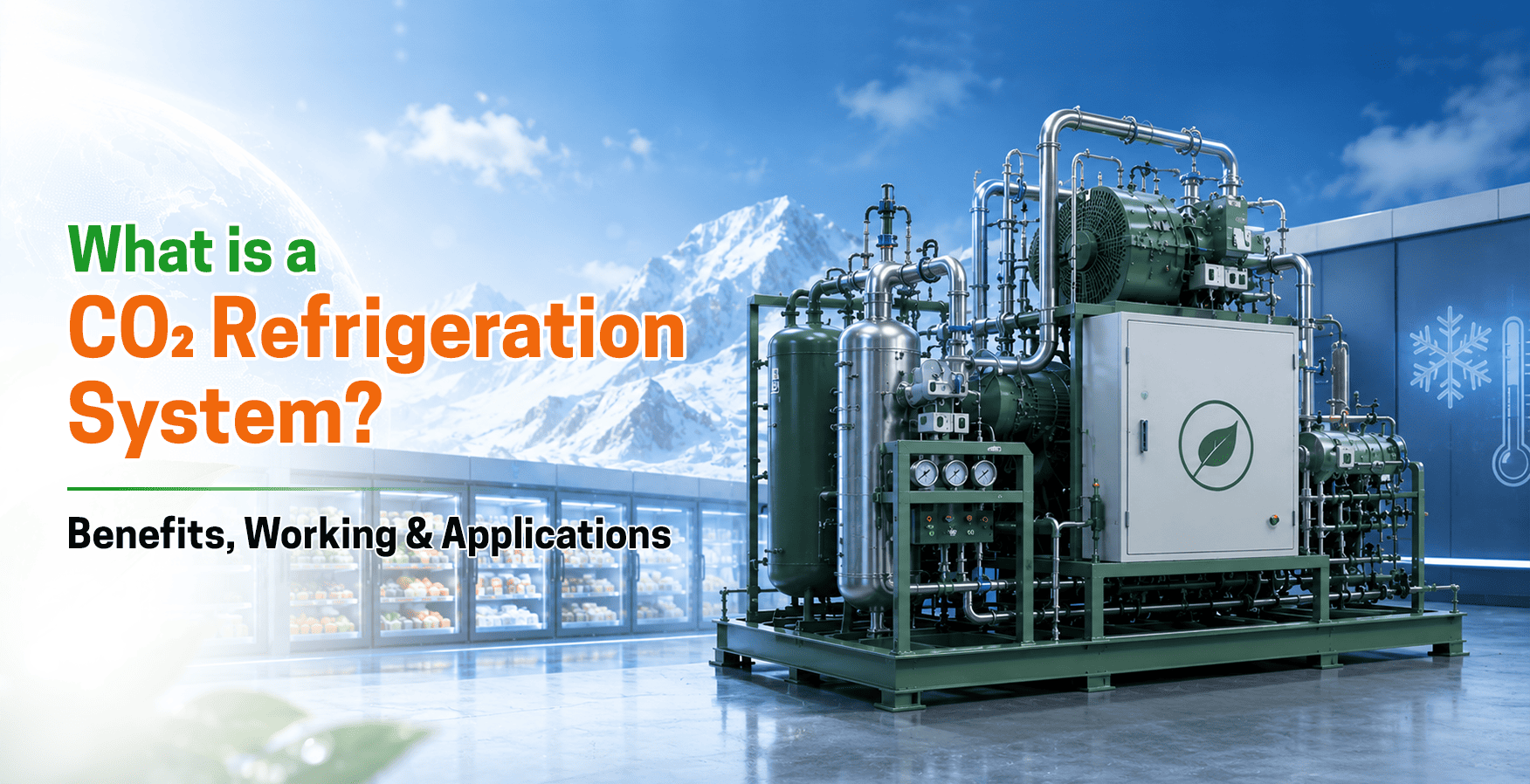
Among all natural refrigerants, CO2 refrigeration is attracting significant interest.
Why?
Because it combines several important advantages:
-
Natural refrigerant
-
Low environmental impact
-
Excellent cooling properties
-
Growing global acceptance
-
Suitable for modern refrigeration systems
For industries looking at future-ready cooling solutions, CO2 is becoming one of the most discussed technologies in the refrigeration sector.
Which Industries Can Benefit Most?
Natural refrigerants can be used around a wide range of industries.
1. Cold Storage Solutions
For storing fruits, vegetables, frozen foods, and agricultural products.
2. Food Processing Plants
For maintaining quality and freshness throughout production processes.
3. Dairy Processing Units
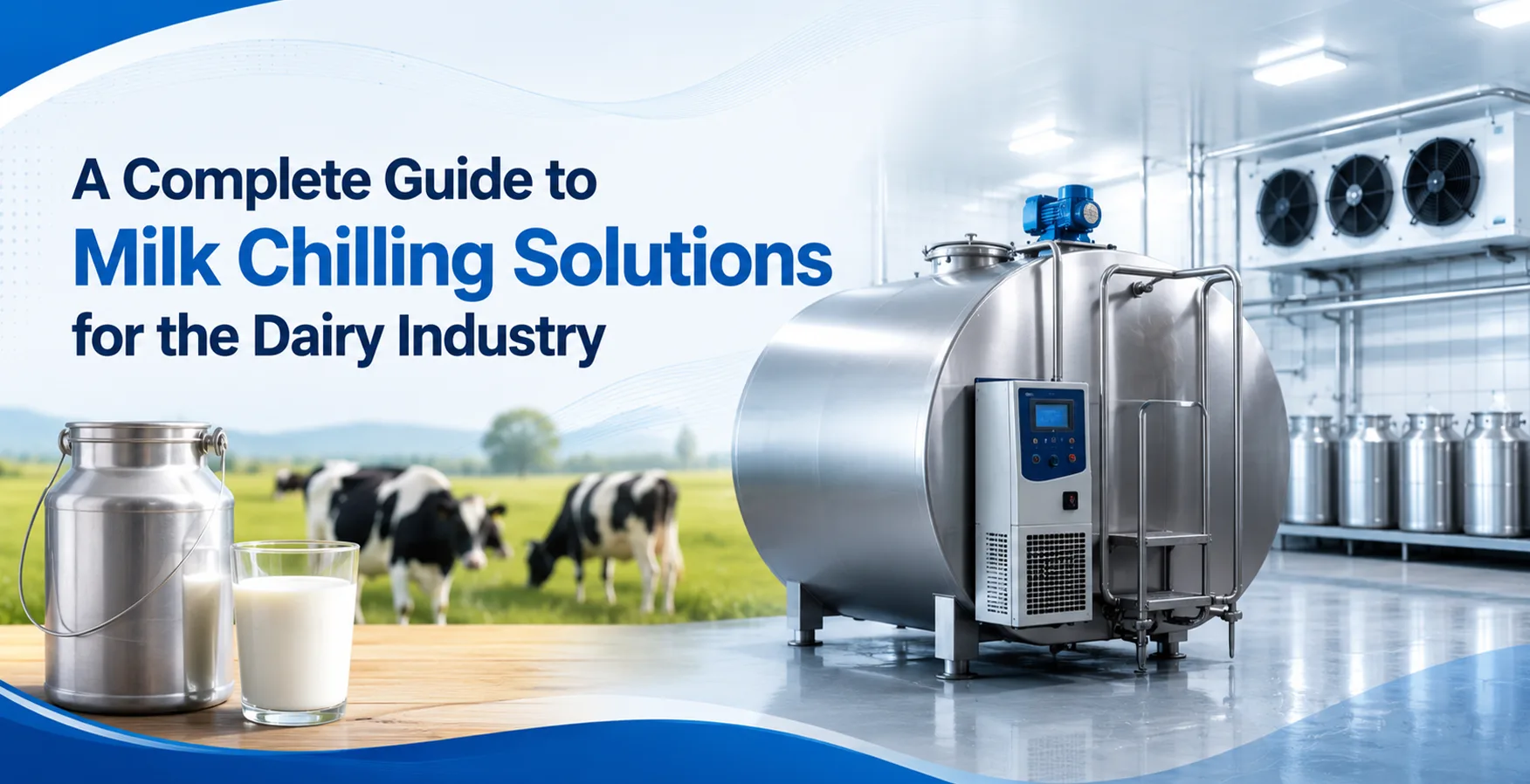
For milk chilling, storage, and temperature-controlled operations.
4. Pharmaceutical Warehouses
For products that require strict temperature control.
5. Refrigerated Logistics
For maintaining the cold chain during transportation and distribution.
6. Export-Oriented Businesses
For businesses that want sustainable and globally accepted refrigeration solutions.
The Bigger Picture
The refrigeration industry is evolving.
A few years ago, most discussions focused on cooling capacity and installation costs.
Today, the conversation has expanded.
Businesses are asking:
-
Is this system sustainable?
-
Will it remain relevant in the future?
-
Does it support environmental goals?
-
Can it help us stay competitive?
Natural refrigerants help answer these questions.
They represent a shift toward cooling solutions that balance performance, sustainability, and long-term business needs.
Final Thoughts
Sometimes the best solutions are not entirely new
They are simply smarter ways of using what nature has already provided.
Natural refrigerants are helping industries rethink how cooling systems are designed and operated.
For cold storages, food processors, dairy facilities, warehouses, and industrial refrigeration projects, they offer a path toward more sustainable and future-ready cooling.
As businesses continue to prepare for changing regulations, growing environmental awareness, and long-term operational goals, natural refrigerants are likely to play an increasingly important role in the future of refrigeration.
Ready to Explore Natural Refrigeration Solutions?
Whether you're planning a new cold storage project or upgrading an existing facility, natural refrigerants can help create a more sustainable and future-ready cooling system.
Contact Nandi Koti today to discuss CO2 refrigeration, cold storage infrastructure, and advanced industrial cooling solutions tailored to your business needs.
📞Get a Free Consultation
Contact Us: +91 9426444495 | +91 9624121156
Email: [email protected]
Table of Contents
Introduction
What Are Natural Refrigerants?
Why Are Industries Moving Towards Natural Refrigerants?
1. Better for the Environment
2. Future-Ready Technology
3. Excellent Cooling Performance
4. Improved Product Protection
5. Supports Sustainable Business Growth
6. Strong Global Adoption
Why CO2 Is Becoming a Popular Choice
Which Industries Can Benefit Most?
The Bigger Picture
Final Thoughts
Introduction
The Cooling Industry Is Changing - And Many Businesses Are Rethinking Their Choices
Imagine you've invested a lot of money in building a cold storage system.
Everything is working perfectly. Your products are safe, operations are running smoothly, and customers are happy.
Then one day, you hear that the refrigerant used in your cooling system may face new environmental orders in the future.
People start talking about system upgrades, changing refrigerants, and extra costs.
All of a sudden, the cooling system that looked like a long-term investment in the cooling system does not feel that future-reliable anymore.
This is a difficulty many businesses are facing today.
That is why many companies are asking a simple question
“Instead of switching to a new refrigerant every now and then, why not use the one that is already present in the environment?”
This is where natural refrigerants come in.
Around the world, cold storages, food processing plants, dairy facilities, warehouses, and other industries are looking for natural refrigerants as a smarter and more sustainable way to keep products cool and fresh.
But what are natural refrigerants, and why are so many businesses showing interest in them?
-
What Are Natural Refrigerants?
-
Why Are Industries Moving Towards Natural Refrigerants?
-
1. Better for the Environment
-
2. Future-Ready Technology
-
3. Excellent Cooling Performance
-
4. Improved Product Protection
-
5. Supports Sustainable Business Growth
-
6. Strong Global Adoption
-
Why CO2 Is Becoming a Popular Choice
-
Which Industries Can Benefit Most?
-
The Bigger Picture
Let’s see and understand this in simple words.
What Are Natural Refrigerants?
Natural refrigerants are cooling gases that originally present or happen naturally in the environment rather than being chemically manufactured.
Some of the most common natural refrigerants include:
-
Carbon Dioxide (CO2 / R744)
-
Ammonia (NH₃ / R717)
-
Hydrocarbons such as Propane (R290)
These refrigerants have been available in nature much before the current traditional refrigeration systems were made.
Today, engineers use them inside refrigeration systems to move heat and create cooling.
The idea is simple:
Instead of relying on human-made chemical refrigerants, industries use naturally made refrigerant to achieve the same cooling effect.
Why Are Industries Moving Towards Natural Refrigerants?
The answer is simple.
Businesses are no longer thinking only about today's cooling requirements.
They are planning for the next 10, 20, or even 30 years.
Decision-makers want refrigeration systems that can:
-
Stay adaptable with future regulations
-
Reduce impact on environmental
-
Deliver reliable performance
-
Support long-term eco-friendly goals
Natural refrigerants help address all these concerns.
1. Better for the Environment
Environmental responsibility is no longer just a government requirement.
It has become primary for businesses.
Customers, investors, exporters, and industry partners increasingly pay attention to sustainability
Many traditional refrigerants have a high impact on global warming when released into the atmosphere.
Natural refrigerants such as CO2 have a significantly lower impact on the environment .
This makes them a generous option for businesses that want to reduce their environmental footprint while maintaining strong cooling performance.
2. Future-Ready Technology
One of the biggest concerns for industrial operators is uncertainty.
Nobody wants to invest in a refrigeration system today and worry about major changes tomorrow.
Natural refrigerants are increasingly viewed as long-term solutions because they align with global sustainability trends.
For businesses planning new facilities or major upgrades, this provides greater confidence when making investment decisions.
3. Excellent Cooling Performance
At the end of the day, refrigeration systems have one primary job:
Keep products at the right temperature.
Natural refrigerants are known for their strong heat-transfer capabilities.
In practical terms, this means:
-
Faster cooling
-
Stable temperatures
-
Improved product preservation
-
Reliable operation
For cold storage operators, even small improvements in temperature control can make a significant difference in product quality.
4. Improved Product Protection
Think about what is stored inside a cold storage.
-
Fruits
-
Vegetables
-
Dairy products
-
Frozen foods
-
Seafood
-
Pharmaceuticals
Every product has value.
And every product depends on proper temperature control.
Temperature fluctuations can reduce shelf life, affect quality, and increase losses.
Reliable refrigeration systems help protect inventory and preserve product freshness for longer periods.
5. Supports Sustainable Business Growth
Many businesses today are setting sustainability goals.
Some do it to meet customer expectations.
Others do it to satisfy export needs.
Many simply want to operate more responsibly.
Natural refrigerants fit naturally into these objectives.
They help businesses move toward greener operations without compromising cooling performance.
6. Strong Global Acceptance
One reason decision-makers are paying attention to natural refrigerants is simple:
The world is moving in this direction.
around many countries, industries are investing in natural refrigeration technologies for:
-
Cold storages
-
Food processing plants
-
Supermarkets
-
Dairy facilities
-
Pharmaceutical warehouses
-
Refrigerated logistics
As adoption continues to grow, natural refrigerants are becoming an increasingly important part of the future refrigeration landscape.
Why CO2 Is Becoming a Popular Choice
Among all natural refrigerants, CO2 refrigeration is attracting significant interest.
Why?
Because it combines several important advantages:
-
Natural refrigerant
-
Low environmental impact
-
Excellent cooling properties
-
Growing global acceptance
-
Suitable for modern refrigeration systems
For industries looking at future-ready cooling solutions, CO2 is becoming one of the most discussed technologies in the refrigeration sector.
Which Industries Can Benefit Most?
Natural refrigerants can be used around a wide range of industries.
1. Cold Storage Solutions
For storing fruits, vegetables, frozen foods, and agricultural products.
2. Food Processing Plants
For maintaining quality and freshness throughout production processes.
3. Dairy Processing Units
For milk chilling, storage, and temperature-controlled operations.
4. Pharmaceutical Warehouses
For products that require strict temperature control.
5. Refrigerated Logistics
For maintaining the cold chain during transportation and distribution.
6. Export-Oriented Businesses
For businesses that want sustainable and globally accepted refrigeration solutions.
The Bigger Picture
The refrigeration industry is evolving.
A few years ago, most discussions focused on cooling capacity and installation costs.
Today, the conversation has expanded.
Businesses are asking:
-
Is this system sustainable?
-
Will it remain relevant in the future?
-
Does it support environmental goals?
-
Can it help us stay competitive?
Natural refrigerants help answer these questions.
They represent a shift toward cooling solutions that balance performance, sustainability, and long-term business needs.
Final Thoughts
Sometimes the best solutions are not entirely new
They are simply smarter ways of using what nature has already provided.
Natural refrigerants are helping industries rethink how cooling systems are designed and operated.
For cold storages, food processors, dairy facilities, warehouses, and industrial refrigeration projects, they offer a path toward more sustainable and future-ready cooling.
As businesses continue to prepare for changing regulations, growing environmental awareness, and long-term operational goals, natural refrigerants are likely to play an increasingly important role in the future of refrigeration.
Ready to Explore Natural Refrigeration Solutions?
Whether you're planning a new cold storage project or upgrading an existing facility, natural refrigerants can help create a more sustainable and future-ready cooling system.
Contact Nandi Koti today to discuss CO2 refrigeration, cold storage infrastructure, and advanced industrial cooling solutions tailored to your business needs.
📞Get a Free Consultation
Contact Us: +91 9426444495 | +91 9624121156
Email: [email protected]